
St. Petersburg, FL 33710
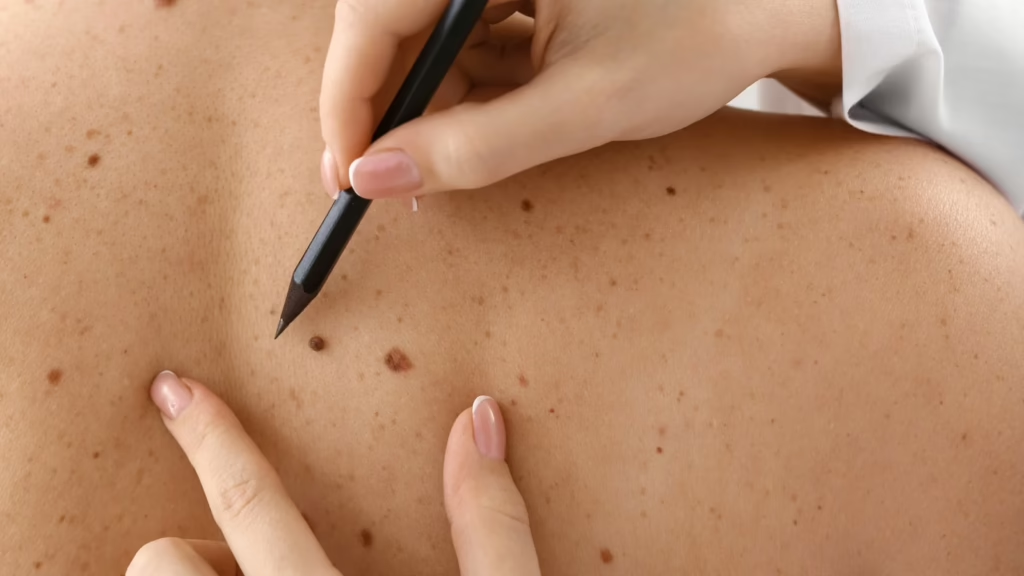
Dry, peeling or irritated skin is one of the most common side effects of cancer treatment. It is usually temporary and manageable, and a dermatologist can work alongside your cancer team to keep you comfortable.
Which Treatments Affect the Skin
Many cancer treatments can change the skin. Chemotherapy can cause dryness, peeling and darkening, and some drugs cause painful redness and peeling on the palms and soles. Radiation can irritate the skin in the area being treated. Targeted therapies can cause an acne-like rash, and immunotherapy can cause rashes and itching.
Common Skin Changes
- Dryness, flaking and peeling
- Redness, itching or burning
- Acne-like bumps on the face, chest or back
- Darker patches of skin or darker nails
- Greater sensitivity to the sun
- Peeling and soreness on the palms and soles
- Changes to the hair and nails
Why These Changes Happen
Many cancer treatments target cells that divide quickly. Skin, hair and nails renew themselves quickly too, so they are often affected. Radiation affects the skin it passes through, and immunotherapy can make the immune system react to the skin.
Are the Changes Permanent?
Most skin changes improve in the weeks or months after treatment ends. Changes in color and in the nails can take longer to fade. With some targeted drugs, a rash is an expected effect of the medicine, so never stop a treatment because of a rash without talking to your oncologist.
Caring for Your Skin During Treatment
- Wash with a gentle, fragrance-free cleanser and lukewarm water
- Apply a thick moisturizing cream or ointment right after bathing, ideally starting before treatment begins
- Protect your skin from the sun with SPF 30 or higher and covering clothing
- Wear loose, soft clothing and comfortable shoes that do not rub
- Avoid scrubs, peels and new products while your skin is sensitive
- During radiation, use only the products your radiation team recommends
When to Call Your Care Team
- Blisters, or open or weeping skin
- Signs of infection, such as spreading warmth, pus or fever
- A rash that spreads quickly or becomes painful
- Sores on the palms or soles that make walking or using your hands hard
- A new or changing growth or mole
Tell your oncologist first. A dermatologist can then treat the skin so you can stay on the treatment you need.
Before You Go
Not without talking to your oncologist. Many skin reactions can be treated while you continue.
Usually yes, but ask your radiation team which products to use and when, since some should not be applied right before a session.
Occasionally. Most new growths are harmless, but any new or changing spot should be checked.
Reading is a start. A visit is an answer.
Schedule An Appointment →