
St. Petersburg, FL 33710
Early Signs of Skin Cancer on the Scalp You Should Never Ignore
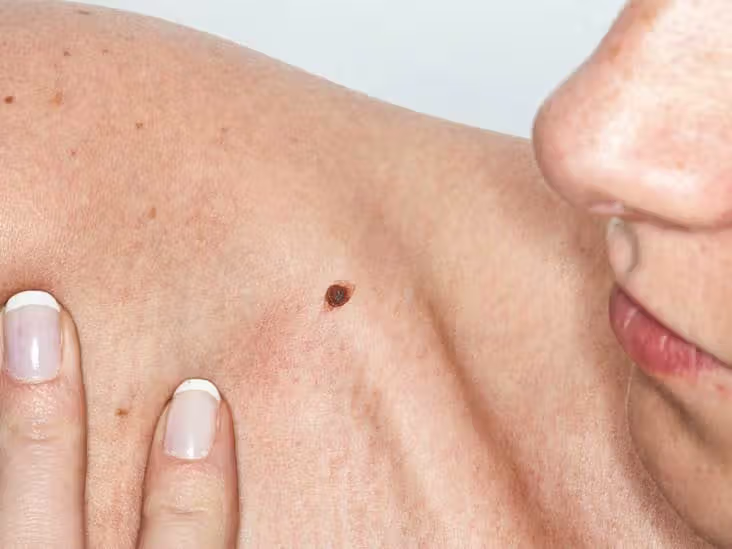
The scalp gets a lot of sun and very little attention. Hair hides it, sunscreen rarely reaches it, and most people never see it. That is why skin cancers there are often found later than elsewhere.
Why Skin Cancer Develops on the Scalp
The top of the head faces the sun directly. Thinning hair, a bald spot or a part line lets ultraviolet light reach the skin year after year. Fair skin, a history of sunburns, a previous skin cancer and a weakened immune system all raise the risk further.
Early Warning Signs
- A sore that bleeds, crusts and does not heal
- A rough, scaly patch that keeps coming back
- A shiny, pink or pearly bump
- A firm red bump, or one that grows quickly
- A new dark spot, or a mole that changes
- A spot that itches, hurts or bleeds when you brush or comb your hair
Types of Skin Cancer Found on the Scalp
Basal cell carcinoma and squamous cell carcinoma are the most common, and squamous cell carcinoma is especially common on the bald scalp of older men. Melanoma can also appear on the scalp, where it is often found later than on other parts of the body, which is one more reason to look.
Why a Professional Exam Matters
A dermatologist checks the scalp as part of a full skin exam, parting the hair and using a dermatoscope, a magnifying light, to look closely at any spot. If something looks suspicious, a small biopsy gives the answer.
Because the scalp has little spare skin, Mohs surgery is often the treatment of choice there. It removes the cancer one thin layer at a time, checking each under the microscope, and spares as much healthy skin as possible.
Protecting Your Scalp
- Wear a wide-brimmed hat outdoors
- Use a sunscreen made for the scalp and part line, such as a spray or powder
- Seek shade in the middle of the day
- Ask a partner or your hairstylist to tell you about any new spot
- Check your scalp with a mirror each month
Before You Go
A sore that will not heal, a scaly patch that returns, a shiny bump, or a new or changing mole. It may bleed when you comb your hair.
Yes. The part line, hairline, temples and the back of the neck still get sun, and melanoma can appear anywhere.
With a yearly full skin exam, or more often if you have had skin cancer or have thinning hair and a lot of sun exposure.
Reading is a start. A visit is an answer.
Schedule An Appointment →