
St. Petersburg, FL 33710
Can Skin Cancer Kill You? Why Early Detection Saves Lives
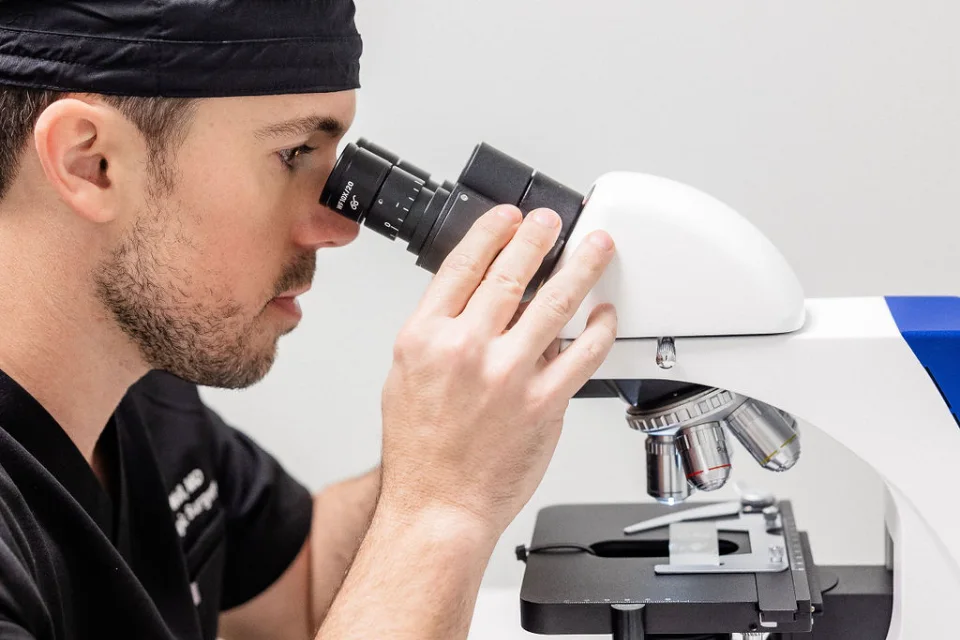
It is a fair question, and the honest answer is yes, some skin cancers can be fatal. The reassuring part is that most skin cancers are found early and cured, and regular skin checks are what make the difference.
How Serious Is Each Type?
Basal cell carcinoma is the most common skin cancer. It grows slowly and very rarely spreads, though if it is neglected it can grow deep and damage the tissue around it.
Squamous cell carcinoma is usually cured when treated early. A small share spread to other parts of the body, more often when they are large or deep, sit on the lip or ear, or appear in someone with a weakened immune system.
Melanoma is less common but causes most skin cancer deaths, because it can spread to the lymph nodes and organs. When it is found before it has spread, the large majority of people are cured.
Spotting the Early Warning Signs
For moles, dermatologists use the ABCDE guide:
- Asymmetry: one half does not match the other
- Border: edges that are ragged, notched or blurred
- Color: uneven shades of brown, black, red, white or blue
- Diameter: larger than a pencil eraser, though melanomas can be smaller
- Evolving: any change in size, shape, color or feeling
Watch too for a mole that looks different from all your others, a sore that does not heal, and a shiny or scaly bump that keeps growing.
Who Should Be Most Watchful
- People with fair skin that burns easily
- Anyone with many moles or unusual moles
- Those with a family history of melanoma
- Anyone who has had skin cancer before
- People with a history of blistering sunburns or tanning bed use
- People with a weakened immune system
Treatment and the Power of Acting Early
Most early skin cancers are treated with a minor procedure in the office: surgical removal, Mohs surgery, or scraping and cautery for small, low-risk cancers. Some superficial cancers respond to prescription creams.
When melanoma has spread, newer treatments such as immunotherapy have improved the outlook for many patients. Even so, finding a skin cancer early remains the best protection there is.
Lowering Your Risk
Use a broad-spectrum sunscreen of SPF 30 or higher every day, wear a hat and protective clothing, seek shade in the middle of the day, and skip tanning beds. Check your skin once a month and see a dermatologist for a full skin exam every year, or more often if your risk is higher.
Before You Go
Rarely. Most skin cancers found early are cured with a simple procedure. The danger grows when a cancer is left to grow or spread.
Melanoma, because it can spread quickly. Some squamous cell carcinomas and rare types such as Merkel cell carcinoma can also be serious.
Yes. Your risk of another skin cancer is higher, so keep up regular skin exams and sun protection.
Reading is a start. A visit is an answer.
Schedule An Appointment →