
St. Petersburg, FL 33710
Chemical Peels and Skin Cancer: What a Peel Can and Cannot Do
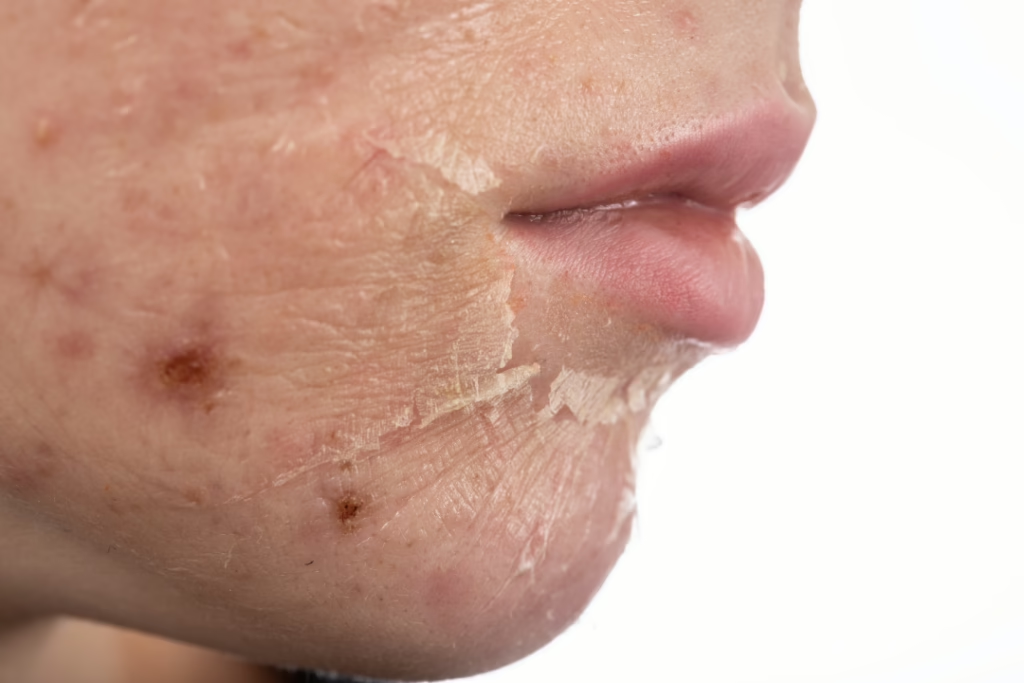
A chemical peel is not a treatment for skin cancer, and there is no good evidence that a peel causes it. What a medical peel can do is remove sun-damaged surface cells, including some precancerous spots, and improve the look of sun-damaged skin.
What a Chemical Peel Is
A chemical peel uses a controlled acid solution to remove the outer layers of the skin, so that smoother, fresher skin grows in their place. The skin has three main layers: the epidermis on top, the dermis in the middle and fat underneath. A spa peel works only on the surface. A medical peel can reach deeper.
Superficial, Medium and Deep Peels
- Superficial peels, often with glycolic, lactic or salicylic acid, refresh the surface with little downtime
- Medium-depth peels, usually with trichloroacetic acid, reach the upper dermis and are used for sun damage and precancerous spots
- Deep peels reach further still, carry more risk and are rarely used
The acid, its strength and how long it stays on the skin decide how deep a peel goes.
Peels, Sun Damage and Precancers
Medium-depth peels can treat many actinic keratoses at once, the rough, scaly spots caused by sun damage that can sometimes turn into skin cancer. Peels also soften fine lines, rough texture and uneven pigment.
A peel cannot undo deeper sun damage, and it is not a substitute for a skin check. A spot that looks like skin cancer needs an exam and often a biopsy, not a peel.
Who Should Not Have a Peel
- Anyone with a rash, infection, open sore or sunburn in the area
- People who have taken isotretinoin recently
- Those who are pregnant, for some types of peel
- People prone to poor healing or raised scars
People of every skin tone can have a peel, but darker skin needs a careful choice of peel to avoid changes in pigment.
Risks and Aftercare
Expect redness, tightness and some peeling. Less often, a peel can cause temporary darkening or lightening of the skin, and rarely infection or scarring. Freshly peeled skin burns easily.
- Wash gently and moisturize
- Wear sunscreen of SPF 30 or higher every day
- Let the skin shed on its own; do not pick
- Pause retinoids before and after the peel as your provider advises
- Wait at least a week before waxing the treated area
Peels at Wall Dermatology
We look at your skin first and recommend a peel only when it fits. If a spot needs a closer look, we will check it before any cosmetic treatment.
Before You Go
Medium-depth peels can treat many actinic keratoses at once. Whether a peel is the right choice for you is decided after an exam.
Yes. Use sunscreen every day and limit sun exposure while your skin heals.
Superficial peels can be repeated every few weeks. Deeper peels are done far less often. Your provider will suggest a schedule.
Reading is a start. A visit is an answer.
Schedule An Appointment →