
St. Petersburg, FL 33710
Basal Cell Skin Cancer Removal: What to Expect and Treatment Options
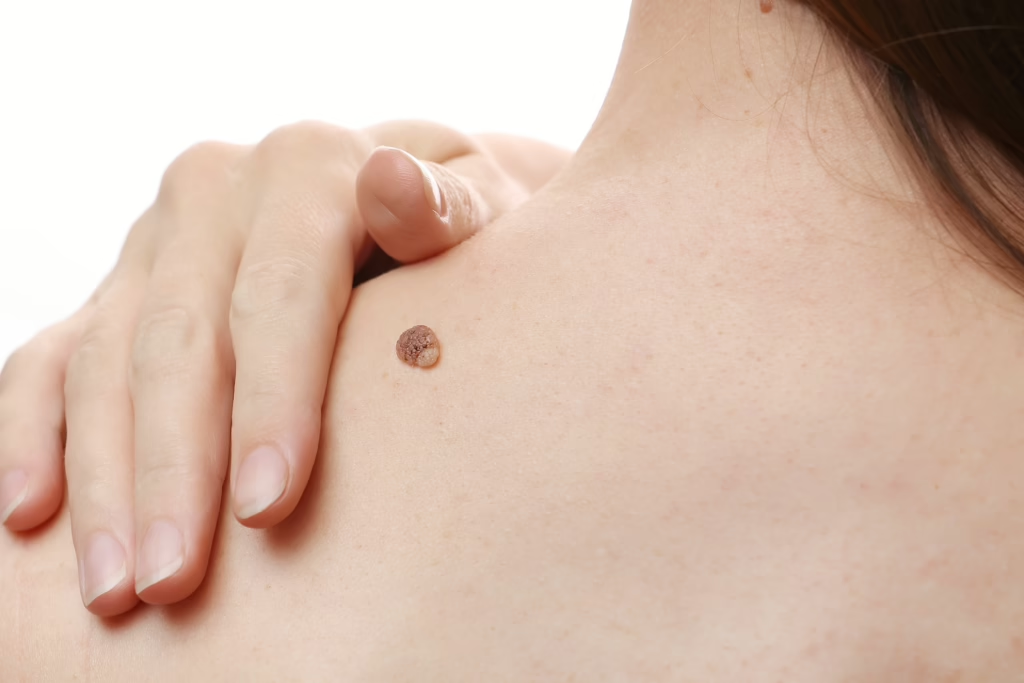
Hearing that a skin cancer needs to come off can be unsettling, but basal cell carcinoma is highly treatable. Here is what each removal option involves and what recovery usually looks like.
Mohs Surgery
In Mohs surgery the surgeon removes the visible cancer and a thin layer of skin around it, then examines that layer under the microscope while you wait. If cancer cells remain at any edge, another thin layer is taken from exactly that spot, and the process repeats until the edges are clear. It spares the most healthy skin and has the highest cure rate, so it is often used on the face, ears, scalp and hands and for cancers that have come back.
The skin is numbed, so you are awake but comfortable. Much of the visit is spent waiting for the lab, so plan for several hours. The wound is usually repaired the same day.
Recovery After Mohs Surgery
Rest for the first few days and avoid heavy exercise and lifting. Keep the dressing clean and dry, and care for the wound exactly as instructed. Redness, swelling, bruising and mild soreness are normal, especially near the eyes, and usually ease over one to two weeks. Scars keep fading for months.
Curettage and Electrodesiccation
For small, low-risk basal cell carcinomas, often on the trunk, arms or legs, the doctor scrapes away the cancer and treats the base with a fine electric needle, usually repeating this a few times. The wound heals on its own under a scab over a few weeks. Let the scab fall off naturally and keep the area moist with ointment if you are told to. It leaves a small, flat, often lighter scar.
Surgical Excision
The cancer is cut out with a margin of healthy skin and the wound is closed with stitches. The tissue goes to the lab to confirm the edges are clear. Avoid activities that pull on the stitches, and return when you are told to have them removed.
Non-Surgical Options
Some superficial basal cell carcinomas can be treated with prescription creams such as imiquimod or fluorouracil, or with photodynamic therapy. Radiation is an option when surgery is not a good choice.
When to Call Your Doctor
- Redness, warmth or swelling that is spreading, or pus
- A fever
- Bleeding that does not stop after 20 minutes of firm pressure
- Pain that is getting worse instead of better
- A new bump, or the spot coming back later
Long-Term Care
After one skin cancer, the chance of another is higher. Keep your follow-up visits, check your skin each month, protect the scar from the sun, and use sunscreen every day.
Before You Go
The skin is numbed first, so most people feel little during the procedure. Mild soreness afterward is common and usually eases within a few days.
Most wounds heal in one to four weeks, depending on the size, the location and the repair. Scars keep improving for months.
Recurrence is uncommon after complete removal, and Mohs surgery has the highest cure rate. Follow-up skin exams catch anything new early.
Reading is a start. A visit is an answer.
Schedule An Appointment →