
Non-surgical options that improve texture and address sun damage while supporting long-term skin health — guided by medical judgment, not trends.
Peels With A Medical Purpose
Chemical peels are not only about glow. In the right hands, they can refresh sun-damaged skin, improve texture and tone, and support field care for areas with extensive actinic damage — always after a proper evaluation of your skin type and history.
What A Peel Can Address
Fine lines, uneven pigment, rough texture, and dullness are common reasons patients consider peels. Some medical peels also play a role in managing precancerous change across a broader field of sun-damaged skin, as part of a supervised plan.
Depth Matters
Light peels offer subtle refresh with little downtime. Medium-depth peels reach further and need more recovery. The right choice depends on your goals, skin, and calendar — not a one-size menu. We match strength to indication and walk you through what healing looks like.
Safety First
Peels belong in a medical setting when sun damage, scarring risk, or pigment concerns are in play. Pre-care, product selection, and aftercare (especially sunscreen) determine whether results look refined — or irritated. We err on the side of controlled, measured treatment.
Part Of A Larger Skin Plan
Peels work best alongside sunscreen, medical-grade skincare, and regular skin checks. If a peel reveals or raises concern about a specific lesion, we evaluate it directly — cosmetic care never replaces cancer surveillance.
Before You Go
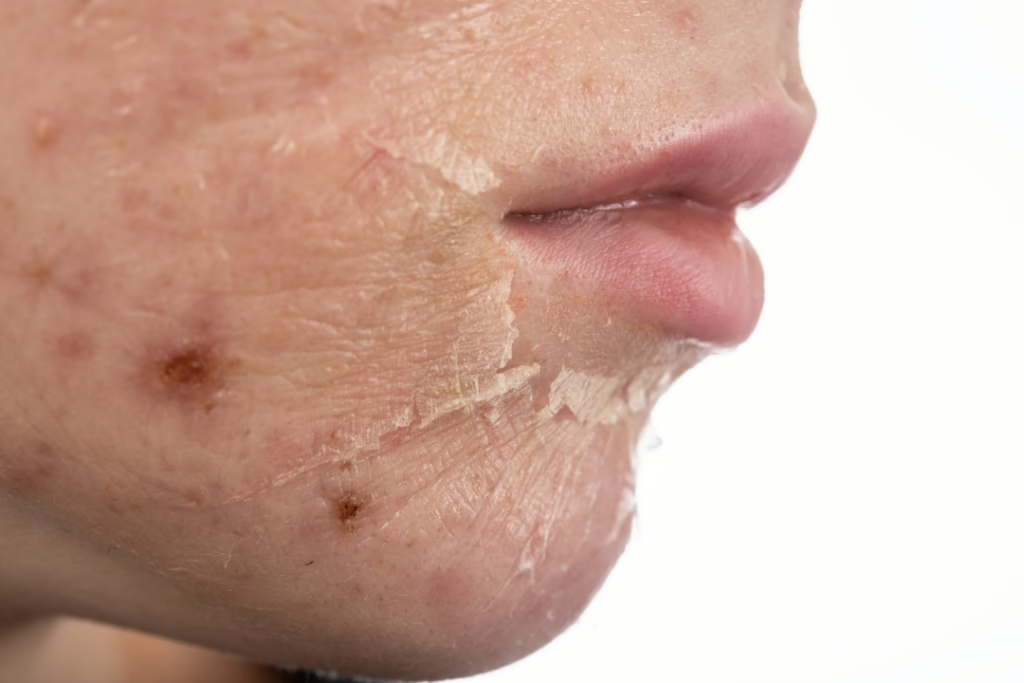
Light peels may mean a day or two of pinkness. Deeper peels can involve peeling and redness for several days. We set expectations before treatment.
They can be, with careful agent selection and technique. Pigment risk is real — which is why we personalize rather than push a default peel.
No. Peels and screenings serve different purposes. Keep your full-body exams on schedule regardless of aesthetic treatments.
Reading is a start. A visit is an answer.
Schedule An Appointment →