
Protect Your Health With Early Skin Cancer Detection.
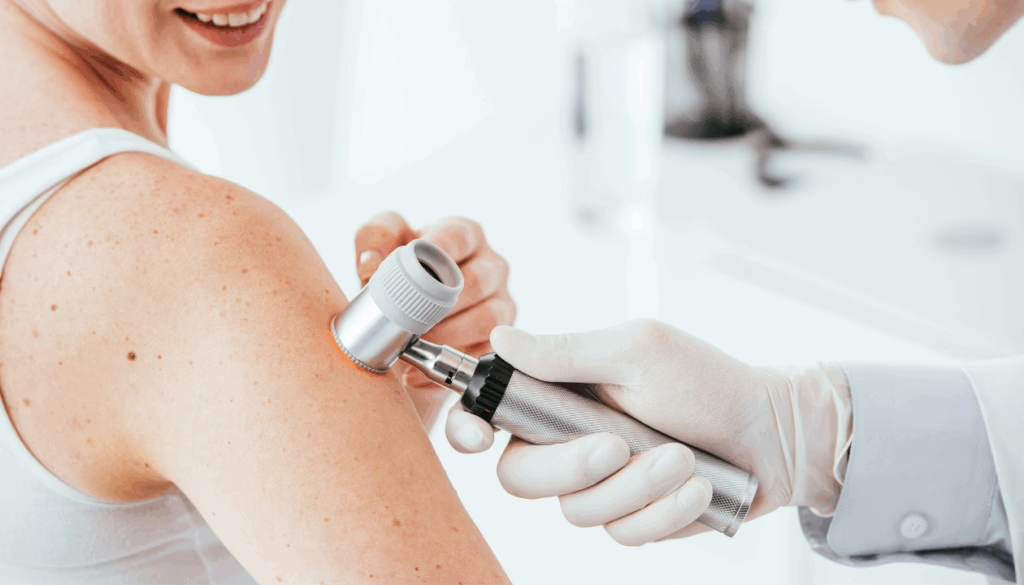
Regular skin checks and attention to change allow treatment before a spot becomes serious — simple habits that protect long-term health.
A Habit That Saves Lives
Skin cancer is the most common cancer in the United States — and also one of the most preventable and treatable when caught early. A few minutes of attention each month, plus a professional full-body exam each year, is one of the highest-value health habits you can keep.
How To Check At Home
Use a mirror in good light. Look at your face, scalp (a comb helps), neck, chest, back, arms, hands, legs, feet, and between toes. Note new spots, changing moles, or anything that itches, bleeds, or will not heal. Ask a partner to check hard-to-see areas.
Who Needs Closer Follow-Up
Fair skin, heavy sun history, tanning-bed use, many moles, atypical moles, immunosuppression, or a personal or family history of skin cancer all raise risk. Those patients often benefit from visits every three to six months.
What A Full-Body Skin Check Includes
At Wall Dermatology, we examine your skin methodically — including the scalp, ears, and other easy-to-miss places. If something looks concerning, we discuss next steps the same day, from monitoring to biopsy.
Prevention Alongside Detection
Sunscreen every morning, reapplication outdoors, hats and UV-protective clothing, and shade between 10 a.m. and 4 p.m. all reduce new damage. Detection finds what is already there; prevention lowers what comes next.
Before You Go
Once a year for most adults. Higher-risk patients may need visits every three to six months.
Most patients can book directly. Some HMO plans require a referral — our front desk can help you verify.
Call or book sooner. Do not wait for your annual appointment if a spot is changing, bleeding, or worrying you.
Reading is a start. A visit is an answer.
Schedule An Appointment →