
Is Skin Cancer Deadly? Understanding the Risks
Is skin cancer deadly and one of the most common cancers globally? Many humans have moles, and skin cancer deadly, so what makes them vital? At Wall Dermatology, we provide smooth, correct facts to help sufferers understand the risks and make informed decisions about their pores and skin health.
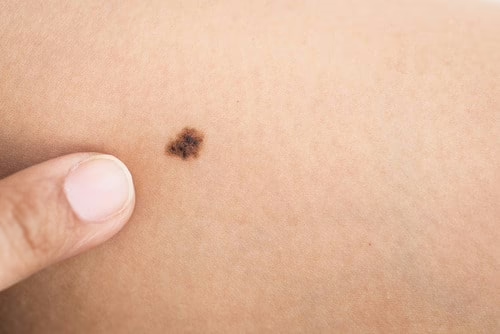
Key Takeaways
- Early detection of maximum moles and pores and skin cancers considerably improves survival possibilities.
- Melanoma is the maximum extreme form and may be life-threatening if untreated.
- Non-cancerous skin cancers are common and typically less aggressive.
- Regular pore and skin tests and monitoring moles or spots are important.
- Consulting a dermatologist ensures a timely and effective remedy.
Is Skin Cancer Deadly? Understanding the Condition
Is skin cancer deadly, and what factors determine its severity? It’s essential to understand there are different sorts. Basal cell carcinoma and squamous cell carcinoma are the most common and are commonly less competitive. Melanoma is not less unusual but is much more likely to unfold and may be fatal if not detected early.
At Wall Dermatology, our specialists focus attention on recognizing skin modifications early. Early treatment can prevent minor troubles from becoming extreme, improving patient outcomes and peace of mind.
Is Skin Cancer Deadly Risk Factors
Understanding is skin cancer deadly also means knowing the risk factors. UV exposure, fair skin, a history of sunburns, family history, and having many moles can increase the possibility of large pores and skin cancer.
Our group at Wall Dermatology educates sufferers on those dangers and emphasizes preventive measures like solar protection, everyday pore and skin assessments, and early sessions if any changes occur.
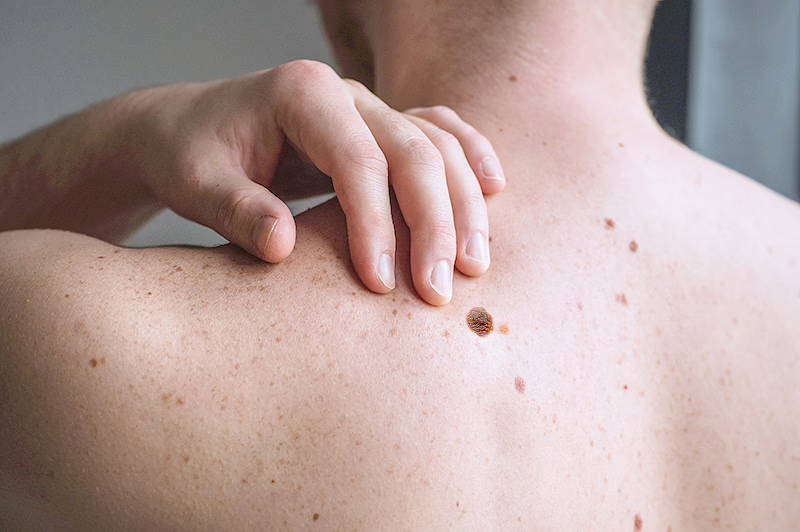
Is Skin Cancer Deadly Signs and Symptoms
Recognizing warning signs is crucial when asking, is skin cancer deadly. Look for brand-new moles, changes in current moles, sores that don’t heal, or unusual pigmentation. Early detection improves remedy effectiveness and survival.
At Wall Dermatology, we inspire patients to log skin modifications and schedule everyday reviews. Timely diagnosis can suggest the distinction between a minor method and greater intensive remedies.
Treatment Options
Knowing that most skin cancers are lethal additionally entails information about treatment alternatives. Treatment relies upon the kind, size, and location of most cancers. Options include surgical elimination, topical treatments, cryotherapy, or superior treatment options for aggressive forms like cancer.
Wall Dermatology provides personalized treatment plans and follows up as much as possible to make sure the results are fine. Early treatment reduces the risk of great complications or dying.
Prevention and Ongoing Care
Many ask, are pores and skin cancers lethal? But prevention is fundamental. Limiting solar exposure, the usage of sunscreen, and performing regular self-tests reduce danger. Annual dermatologist visits can catch problems early before they become severe.
Specialists at Wall Dermatology provide guidance and monitoring to help sufferers keep healthy skin while staying alert for early warning signs and symptoms.
Protect Your Skin with Expert Care
Take control of your skin health with Wall Dermatology. Our group offers early detection, personalized treatments, and ongoing tracking to keep your pores and skin safe. Contact Wall Dermatology these days to schedule an appointment and ensure your pores and skin gets the care it needs.
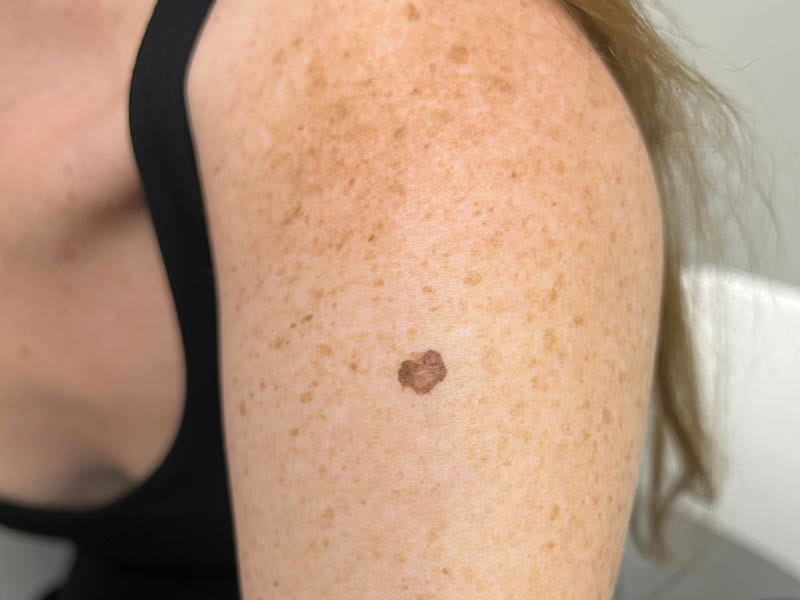
Conclusion
Early recognition and treatment of peeling pores and skin and cancer are vital for a safe and successful restoration. Wall Dermatology gives professional evaluations, personalized treatment plans, and thorough follow-up care. With an expert guide, sufferers can guard their skin, lessen dangers, and preserve self-belief in their long-term fitness.
Frequently Asked Questions
1. What sorts of skin cancer are most risky?
Melanoma is the deadliest type because it can spread quickly if untreated.
2. Can early detection save lives?
Yes, identifying pores and skin cancers early substantially improves survival and treatment outcomes.
3. How regularly do I have to check my skin?
Perform monthly self-tests and see a dermatologist yearly or in case you need modifications.
4. Are basal and squamous cell carcinomas fatal?
These are usually a whole lot less aggressive, but they need to be handled directly to prevent headaches.
5. How can Wall Dermatology assist?
Wall Dermatology presents early detection, treatment, and ongoing monitoring. Contact us these days for expert care.